Roadrunner Reserve
Powering reliability through the hottest hours
Page summary
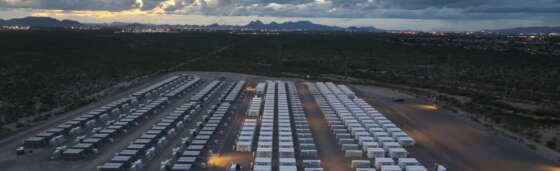
Tucson Electric Power's Roadrunner Reserve is a 400-megawatt battery energy storage system that stores energy for use during peak demand periods, helping improve reliability, support renewable energy integration and provide power during extreme weather conditions.
Roadrunner Reserve is Tucson Electric Power’s largest local battery energy storage system, helping us serve customers with reliable energy when demand is highest.
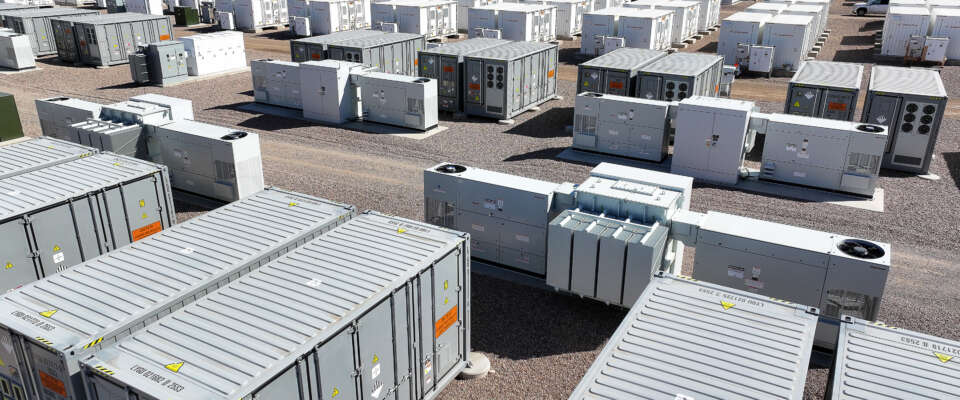
Located in southeast Tucson, the system includes 400 megawatts of battery energy storage capable of powering nearly 85,000 homes for four hours. TEP brought the first 200 MW of the system online last year and added another 200 MW in June 2026, expanding a resource designed to support reliable service for customers throughout the Tucson area, including during extreme weather conditions.
Roadrunner Reserve helps TEP make the most of renewable energy by storing energy when solar resources are abundant and customer usage is lower, then delivering that energy later in the day when demand is typically highest.
Stored Energy When Customers Need It Most
Battery energy storage systems play an important role in a cleaner, more resilient energy future. Roadrunner Reserve is typically charged in the late morning, when solar energy is abundant and grid usage is relatively low. TEP then deploys that stored energy in the late afternoon and early evening, when customer usage typically peaks and market prices for energy are highest.
The system is designed to support reliable service during hot summer afternoons and evenings, when customers are counting on us the most. TEP’s first 200 MW Roadrunner Reserve system began serving customers in time to support record-setting summer usage, representing a $350 million investment in local reliability.
Supporting Reliability in Extreme Conditions
Roadrunner Reserve has already demonstrated its value during periods of high demand. On Aug. 6, 2025, when Tucson’s energy needs surpassed forecasts and set a record hourly demand peak of 2,502 megawatts, the system helped keep customers cool through a 111-degree day.
The expanded system has also helped maintain service for customers during recent grid disturbances.
With both phases now in operation, Roadrunner Reserve is helping TEP strengthen local reliability while reducing reliance on fossil fuels as the company pursues its aspirational goal to achieve net zero carbon emissions by 2050.
“This project helps ensure Tucson has reliable energy to support the needs of our community while helping TEP to take greater advantage of solar resources,” said Susan Gray, TEP’s Chief Executive Officer. “Roadrunner Reserve is more than a battery facility. It's a symbol of our commitment to reliability, innovation and a cleaner energy future.”
How Roadrunner Reserve Works
- Solar and other resources produce energy
Energy is available earlier in the day, when solar resources are more abundant and customer usage is generally lower. - Batteries store that energy
Roadrunner Reserve charges during periods when stored energy can be reserved for later use. - Stored energy is delivered during peak demand
TEP deploys that energy in the late afternoon and early evening, when customers typically need the most power. - Customers benefit from a more flexible grid
Battery storage helps TEP support reliable service during high-demand periods and respond to changing grid conditions.