Tucson Electric Power is taking early steps to better understand geothermal energy and its potential role in providing clean, reliable energy for Arizona’s future.
As energy demand grows and customers, communities and businesses look for around-the-clock clean power, we’re evaluating a wide range of emerging technologies that could complement our expanding portfolio of wind, solar and energy storage.
Advanced geothermal energy systems offer the promise of clean, always-available power. But the evolving technology requires more technological advancement, additional detailed study, and careful evaluation before it can be widely deployed.
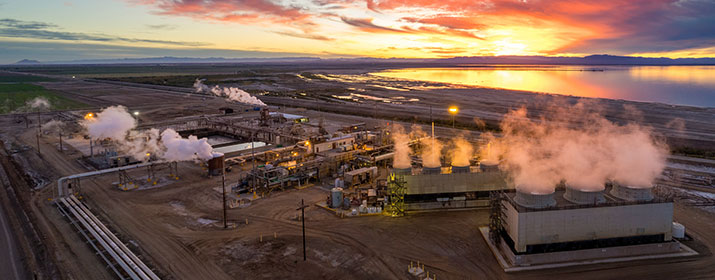
Geothermal systems use heat from beneath the Earth’s surface to generate electricity. Unlike wind and solar resources, which depend on weather conditions, geothermal facilities can operate continuously and can provide the same reliability as traditional power plants.
“Advanced geothermal is one of several clean baseload technologies we’re exploring to understand how it might fit into a future energy mix,” said Sarah Moore, Principal of Emerging Technology & Innovation at TEP. “This is a developing technology, and our focus right now is on actively engaging with partners to better understand the market, the risks, and where it could make sense over time.”
TEP is a participant in the Governor’s Energy Promise Taskforce, which included a working group on geothermal technology. TEP is also joining with other industry groups to share collective knowledge.
Why Geothermal—and Why Now
Interest in geothermal energy is growing nationwide as utilities and large energy users seek clean power that can be available 24 hours a day. New approaches are expanding the number of locations where geothermal systems could eventually be developed by applying techniques adapted from oil and gas drilling.
At the same time, evolving clean energy standards and corporate sustainability goals are increasing interest in reliable resources that can meet growing peak demand. Because geothermal systems can provide consistent output, they are part of broader conversations about how to meet those goals while maintaining reliability.
For TEP, the interest is still exploratory.
“We’re making sure we understand the full range of options that could help us meet future needs for affordability, reliability and cleaner energy,” Moore said.
While geothermal systems offer unique advantages, they also pose significant challenges that reinforce the need for a measured, data-driven approach. Exploration can be costly and project timelines can vary.
Some advanced geothermal concepts have only recently been demonstrated at small scales, and others have yet to be proven commercially. That uncertainty is why TEP is focused on monitoring demonstrations, learning from early projects, and tracking how costs and risks evolve over time, rather than committing to development today.
As part of that preliminary evaluation, TEP is reviewing geothermal activity in the Southwest and neighboring states, where geological conditions and existing transmission infrastructure could offer future opportunities. The company also is watching how partnerships between utilities, developers and large energy users are helping advance early geothermal projects elsewhere.
“Early collaboration is critical with any emerging technology,” Moore said. “It allows utilities and customers to learn together while being thoughtful about costs and risks.”
Geothermal exploration is part of TEP’s broader strategy to maintain flexibility as the energy landscape continues to change. By studying geothermal alongside other emerging technologies, such as advanced nuclear and long-duration energy storage, TEP aims to ensure it can make informed, consistent decisions through future planning processes.
“We know the future grid will look different than today’s,” Moore said. “Our responsibility is to understand what’s coming, evaluate it carefully, and be ready to act when technologies mature and make sense for our customers and communities.”