Article summary
TEP shares monsoon safety tips to help customers prepare for severe weather, including emergency planning, safe driving practices, outage readiness and precautions around downed power lines, helping families stay safe during Arizona’s storm season.
- Prepare before storms arrive with an emergency kit, communication plan and secured outdoor items.
- Stay safe on the road by slowing down in heavy rain, avoiding flooded roads and pulling over during dust storms.
- Be ready for power outages by keeping refrigerators closed, charging devices and turning off air conditioners.
- Avoid downed power lines and report them immediately, as they may still be energized and dangerous.
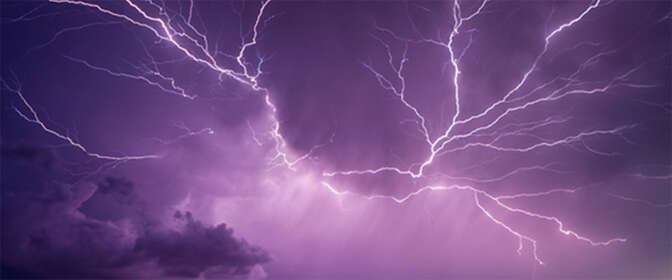
Every summer, Southern Arizona skies put on impressive shows. One moment the sky is bright and calm. The next, dark clouds, thunder and lightning, and walls of dust roll through the desert. While the season has already delivered its first storms, more are still ahead. They can bring much-needed relief from the heat but also real risks. Here’s how to stay safe through the rest of monsoon season.
Before the Next Storm
Monsoon season is underway, so the next storm could be right around the corner.
- Build an emergency kit. Think essentials like nonperishable food and at least one gallon of water per person per day, a battery-powered radio, flashlights and fresh batteries, a first aid kit, and copies of important documents. Don’t forget to include your pets in the planning.
- Make a communication plan. Storms can knock out power, mobile phone service, and internet access. Decide in advance how you will stay in touch and where to meet if needed.
- Do a quick home scan. Secure patio furniture, umbrellas, and loose outdoor items. High winds turn everyday items into flying hazards. You don’t want to collect your outdoor umbrella from your neighbor’s shattered windshield or fish a deck chair out of their pool.
During the Storm
- On the road in heavy rain? Slow down. Slow down and give yourself extra following distance, about four seconds for wet roads. If you start to hydroplane, don’t slam on the brakes! Ease off the gas gradually.
- In a dust storm, pull over safely. Pull over as far off the road as possible, turn off your lights, put the car in park, and take your foot off the brake. This last part is important because other drivers may assume your brake lights mean you’re still moving and could rear-end you. Stay put until the storm passes.
- Flash flooding: Don’t Risk It. Fast-moving water is much more powerful than it looks. Just six inches can knock an adult off their feet. Eighteen inches can carry away most vehicles. If a roadway if flooded, turn around and find another route. If there’s a barricade across a flooded road, it’s not a warning: it’s the law. Under Arizona’s Stupid Motorist Law (yes, that’s the actual name), drivers who ignore safety barricades and get stuck can be held responsible for up to $2,000 in emergency rescue costs.
When the Power Goes Out
- Turn off your air conditioner. This helps avoid a surge in electric demand when power is restored, since every AC unit that remains switched on will start simultaneously. Because AC units pull a lot of power at the moment they start, powering up thousands of units at the same time on the same local distribution circuit can stress our equipment or even cause another power outage.
- Keep your refrigerator and freezer closed. A closed fridge stays cold for about four hours, and a closed freezer can keep food frozen for even longer.
- Charge your phone in your car if needed.
- Stay away from downed power lines. Though they might look harmless, downed power lines can still be energized and deadly. Call 911 to report the issue and keep others away. Do not drive over a downed power line or get out of your car. If you must exit your car, open the door and jump as far away from the car. Keep your feet together and don’t touch the car and the ground at the same time. When you land, shuffle your feet until you’re at least 20 feet away from the vehicle.
Enjoy Nature
Many local residents count cooling monsoon storms among the best things about living here. The lightning displays and forceful downpours can be dramatic, and our thirsty desert plants are grateful for the moisture. Just be ready for them and stay safe.